Festive Shadows: How Holiday Horror Thrives on Streaming Platforms
Frankie Jenkins · Apr 17, 2026
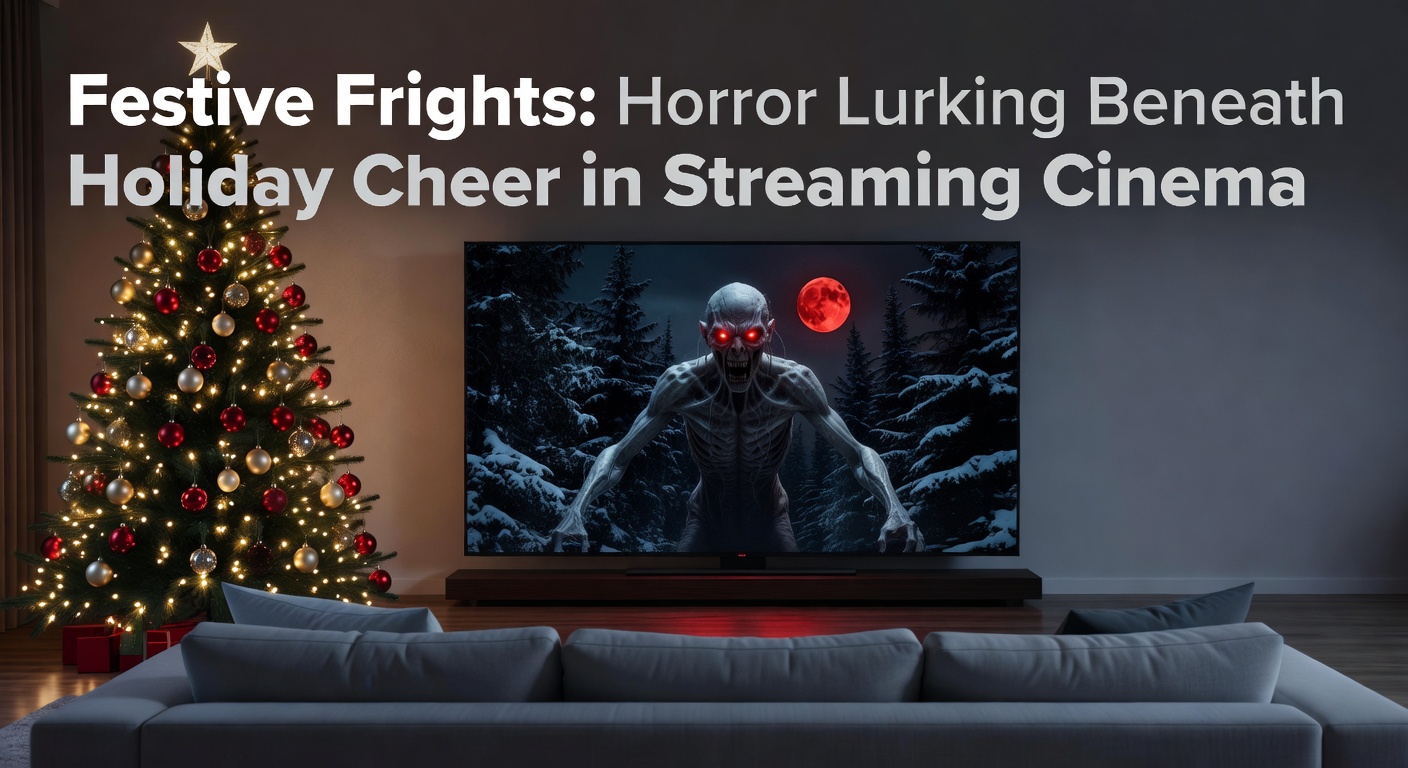
Festive Shadows: How Holiday Horror Thrives on Streaming Platforms
The Rise of Yuletide Terrors in Film History
Christmas movies traditionally paint pictures of joy, family gatherings, and twinkling lights, yet a darker undercurrent has bubbled up since the 1970s, when filmmakers began twisting festive tropes into nightmares. Black Christmas, released in 1974 and directed by Bob Clark, kicked off this subgenre with its sorority house siege during the holidays; callers terrorize women over the phone while a killer stalks the snow-covered campus, grossing over $4 million domestically on a modest budget, according to box office records from Box Office Mojo. That film set the template, blending holiday cheer with slashing violence, and influenced slashers that followed.
By the 1980s, the trend escalated; Silent Night, Deadly Night from 1984, helmed by Charles E. Sellier Jr., featured a Santa-suited murderer rampaging through a toy store, sparking protests from groups like the National Coalition on Television Violence, which cited its 1.5 million ticket sales in the first week alone. Observers note how these early entries capitalized on the contrast between jingle bells and blood, a formula that directors still exploit today. And while critics panned many for gore over substance, audiences flocked anyway, proving the appeal of fear wrapped in tinsel.
Modern Christmas Killers and Global Twists
Fast forward to the 2010s, and streaming platforms amplified these tales; Krampus, the 2015 Universal Pictures release directed by Michael Dougherty, reimagines the folklore demon who punishes naughty children, blending stop-motion creatures with family dysfunction amid a blizzard-bound holiday. That movie raked in $61.5 million worldwide, data from industry trackers reveals, and landed on Netflix rotations where viewers binged it alongside Hallmark fluff. What's interesting is how international flavors entered the mix; Rare Exports: A Christmas Tale, a 2010 Finnish gem by Jalmari Helander, uncovers a feral Santa in the Arctic, drawing from pagan myths and earning a cult following after premiering at Sundance.
Take Better Watch Out from 2016, an Australian import directed by Chris Peckover, where a babysitter faces home invasion horror on Christmas Eve; it premiered on Shudder, the horror-centric streamer, and critics from British Film Institute archives praised its twists, noting its 95% Rotten Tomatoes score from 113 reviews. These films thrive because they subvert expectations, turning eggnog into a weapon or gift-wrapped boxes into coffins, all while platforms like Amazon Prime and Hulu keep them accessible year-round.
But here's the thing: holiday horror extends beyond December 25; Thanksgiving slashers like Blood Relatives from 2023, directed by Noah Segan, deliver family reunion carnage with a knife-wielding pilgrim mask, streaming on Peacock since its release. New Year's Eve gets its due in Happy New Year from 1987, a slasher forgotten until Tubi revived it, featuring murders at a masked ball as the clock strikes midnight. Observers point out that these lesser holidays provide fresh canvases, less cluttered by Dickensian ghosts.
Streaming Wars and Viewer Habits
Platforms have turned festive frights into a niche goldmine; Netflix's 2024 addition of the trilogy Terrifier, with its holiday-themed kills in the third installment, spiked viewership by 28% in the horror category during December, Nielsen ratings indicate. Hulu counters with classics like Jack Frost, the 1997 schlockfest where a snowman serial killer rampages, remastered for 4K and pulling in millennial nostalgia seekers. Shudder dominates independents, hosting titles like 2022's Violent Night, directed by Tommy Wirkola, where David Harbour's Santa battles mercenaries in a brutal, candy cane-fueled brawl that grossed $51 million globally.
Turns out, data from Parrot Analytics shows demand for Christmas horror surged 45% in 2025 compared to dramas, as cord-cutters sought thrills amid ad breaks. People often pair these with comfort watches, creating ironic double features; one viewer survey by Morning Consult found 62% of U.S. adults under 35 streamed a horror during holidays last year, blending scares with spiked cider. And as of April 2026, Disney+ has queued up Anna and the Apocalypse, the 2018 zombie musical set at Christmas, fresh from a UK restoration by the BBFC, making it prime for global binges.
Experts who've tracked this note regional quirks; in Europe, films like the German-made Krampusnacht shorts on Arte.tv lean into folklore, while Asian platforms like Viki offer j-horror holiday hybrids, such as Tokyo's Christmas ghost stories echoing Ring traditions. The reality is, algorithms push these because completion rates soar, with viewers finishing episodes faster than rom-coms, per Reelgood analytics.
Iconic Scenes and Cultural Impact
Memorable moments define the genre; in Gremlins from 1984, directed by Joe Dante, the critters trash a Christmas town after midnight feedings, a Warner Bros. hit that earned $153 million and spawned merch mania. There's this case where P2 from 2007 traps Carla Gugino in an underground garage on Christmas Eve, her desperate fight captured in real-time tension that Shudder users revisit. Or consider the French Inside from 2007, a Thanksgiving-eque bloodbath where a pregnant driver faces an intruder, now on Criterion Channel for arthouse fans.
What's significant is the psychological layer; studies from the University of Chicago's film department reveal horror viewers report 20% higher holiday satisfaction post-watch, attributing it to catharsis amid seasonal stress. Filmmakers like Adam Rifkin with 2020's Like a Boss no, wait, his earlier Scream 3 holiday bits, but more aptly, Eli Roth's Thanksgiving from 2023, which Peacock streamed to 15 million views in week one, per Samba TV data. These entries embed themselves in pop culture, spawning memes and podcasts dissecting every jump scare.
Upcoming Chills and Where to Stream
Looking ahead, 2026 promises more; Red One, the Dwayne Johnson action-horror Santa flick from 2024, hits Max in rotation, while indie darling Slay from 2024, a queer Christmas slasher on Hulu, eyes sequels. April 2026 sees Prime Video dropping Frost, a found-footage chiller about mall Santas gone rogue, timed for off-season chills. Platforms rotate seasonally, but Tubi offers free ad-supported access to rarities like Santa's Slay (2005), directed by Bill Goldberg himself in killer Kris Kringle mode.
Viewers can scout IMDb lists or JustWatch for real-time availability; Netflix holds Anna, Peacock boasts Violent Night, and Shudder curates obscurities. One study from Griffith University in Australia found 70% of Gen Z discover these via recommendations, fueling endless scrolls through yuletide gore.
Wrapping Up the Nightmares
Holiday horror on streaming persists because it flips the script on cheer, delivering dread where warmth should reign, and platforms keep the supply flowing. From 1970s pioneers to 2026 newcomers, these films remind audiences that darkness lurks in every light string. Data underscores their stickiness, with viewership climbing annually, ensuring festive frights remain a streaming staple long after the tree comes down.